
Contact Us
free consultation
(303) 713-9147
February 26, 2026 Posted In Firm News

By Justin W Blow
Appointing an executor and managing an estate in Colorado can be a complex process, but understanding the steps involved can simplify the journey. This guide will provide you with essential information on how to appoint an executor, the responsibilities that come with the role, and the probate process in Colorado. Many individuals face challenges when navigating estate management, often feeling overwhelmed by legal requirements and emotional stress. By following this comprehensive guide, you will gain clarity on the executor appointment process, the key duties of an executor, and how to effectively manage an estate. We will also explore elder law considerations and common probate challenges, ensuring you are well-prepared for the responsibilities ahead.
The process of appointing an executor or personal representative in Colorado involves several key steps that ensure the decedent’s wishes are honored and the estate is managed properly. This process typically begins with the selection of an executor by the decedent, who may name an individual in their will. If no will exists, the court will appoint a personal representative based on Colorado law. The next step involves initiating probate, which is the legal process of validating the will and overseeing the distribution of the estate.
In Colorado, anyone who is at least 18 years old and not legally incapacitated can be appointed as an executor or personal representative. This includes family members, friends, or even professionals such as attorneys. It is essential to choose someone trustworthy and capable of handling the responsibilities that come with managing an estate. In my experience working with Colorado executors, the most overlooked step is ensuring the chosen person fully understands the scope of their duties before accepting the role.
To officially appoint an executor in Colorado, the following legal steps must be taken:
These steps ensure that the appointment is legally recognized and that the executor can begin their duties. At Colorado Estate Matters, Ltd., we frequently guide families through exactly this process, helping them navigate the legal requirements smoothly.

The executor of an estate in Colorado has several critical duties and responsibilities that must be fulfilled to ensure proper estate management. These responsibilities include initiating the probate process, gathering and securing estate assets, and distributing assets to beneficiaries. Executors must also handle debts and taxes owed by the estate, ensuring that all financial obligations are met before any distributions are made.
Managing estate assets and debts involves several key actions:
This process requires careful organization and attention to detail to ensure compliance with Colorado probate laws. Many of the families I work with are surprised to learn that Colorado has specific procedures that differ from other states, which makes local expertise invaluable.
Executors have specific obligations related to probate filings and court communications, which include:
These obligations ensure that the probate process is conducted smoothly and in accordance with legal requirements.
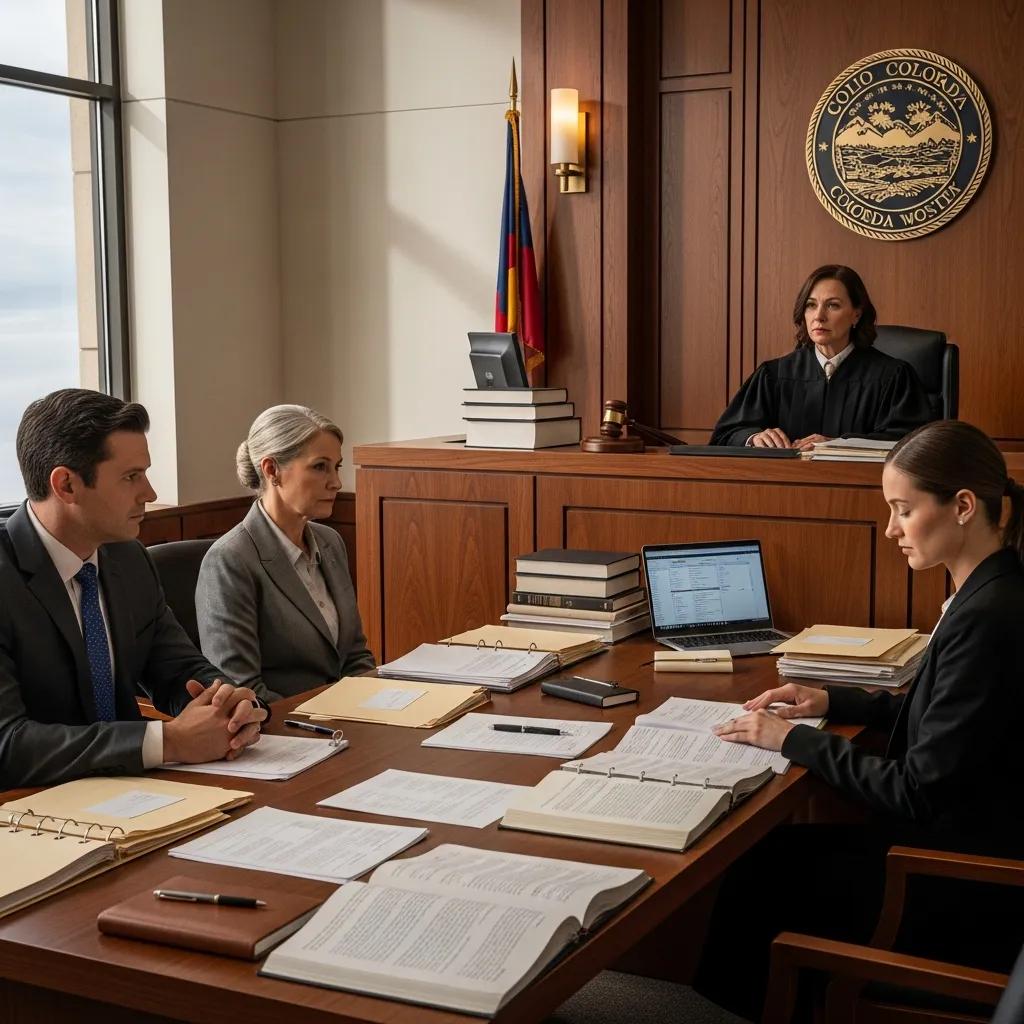
The probate process in Colorado is designed to oversee the administration of an estate after a person passes away. This process begins with determining whether probate is necessary, which depends on the size and complexity of the estate and whether assets pass outside of probate (like joint tenancy property or trusts). If probate is required, the executor will initiate the process by filing the will and other necessary documents with the probate court.
Probate timelines can vary significantly based on the complexity of the estate and any potential disputes among beneficiaries. Generally, the probate process can take anywhere from a few months to over a year. Key procedures include:
Understanding these timelines and procedures can help executors manage expectations and plan accordingly. At Colorado Estate Matters, Ltd., we have observed that families who plan ahead face far fewer complications during probate.
During the probate process, managing creditor claims and beneficiary distributions is a critical responsibility of the executor. This involves:
This process requires careful attention to detail to ensure compliance with Colorado probate laws and to protect the interests of the estate.
Elder law considerations play a significant role in estate management and executor duties, particularly when dealing with aging individuals and their unique needs. Executors must be aware of various legal protections and responsibilities that may arise in these situations.
Elder law protections can influence estate planning and probate in several ways:
Understanding these protections can help executors navigate the complexities of managing estates involving elderly individuals.
Managing estates with elder law implications can present unique challenges, including:
Being prepared for these challenges can help executors effectively manage the estate and fulfill their duties.
In Colorado, executors are entitled to compensation for their services, but there are specific rules governing this process. Understanding these rules is essential for both executors and beneficiaries.
Executor compensation in Colorado is typically based on the size and complexity of the estate. The rules include:
These rules ensure that executors are fairly compensated for their efforts while also protecting the interests of the estate.
Executors can be removed or replaced under certain circumstances, including:
Understanding these circumstances can help beneficiaries take appropriate action if they believe the executor is not fulfilling their responsibilities.
Executors often face various challenges during the probate process, which can complicate estate management. Being aware of these challenges and knowing how to address them is crucial for successful estate administration.
Disputes among beneficiaries and creditors can arise during probate, leading to delays and complications. Executors can address these disputes by:
By proactively addressing disputes, executors can help ensure a smoother probate process.
To avoid delays and legal issues during probate, executors should take the following steps:
These proactive measures can significantly enhance the efficiency of the probate process and reduce the likelihood of complications.
Ready to get help managing an estate in Colorado? Call Colorado Estate Matters, Ltd. today at (303) 713-9147 or schedule a consultation to get started.
Justin W Blow is an estate planning attorney at Colorado Estate Matters, Ltd. with extensive experience helping Colorado residents protect their assets and plan for the future. He helps families and individuals navigate living trusts, probate, guardianship, and conservatorship matters.
By Justin W Blow
Appointing an executor and managing an estate in Colorado can be a complex process, but understanding the steps involved can simplify the journey. This guide will provide you with essential information on how to appoint an executor, the responsibilities that come with the role, and the probate process in Colorado. Many individuals face challenges when navigating estate management, often feeling overwhelmed by legal requirements and emotional stress. By following this comprehensive guide, you will gain clarity on the executor appointment process, the key duties of an executor, and how to effectively manage an estate. We will also explore elder law considerations and common probate challenges, ensuring you are well-prepared for the responsibilities ahead.
The process of appointing an executor or personal representative in Colorado involves several key steps that ensure the decedent’s wishes are honored and the estate is managed properly. This process typically begins with the selection of an executor by the decedent, who may name an individual in their will. If no will exists, the court will appoint a personal representative based on Colorado law. The next step involves initiating probate, which is the legal process of validating the will and overseeing the distribution of the estate.
In Colorado, anyone who is at least 18 years old and not legally incapacitated can be appointed as an executor or personal representative. This includes family members, friends, or even professionals such as attorneys. It is essential to choose someone trustworthy and capable of handling the responsibilities that come with managing an estate. In my experience working with Colorado executors, the most overlooked step is ensuring the chosen person fully understands the scope of their duties before accepting the role.
To officially appoint an executor in Colorado, the following legal steps must be taken:
These steps ensure that the appointment is legally recognized and that the executor can begin their duties. At Colorado Estate Matters, Ltd., we frequently guide families through exactly this process, helping them navigate the legal requirements smoothly.
The executor of an estate in Colorado has several critical duties and responsibilities that must be fulfilled to ensure proper estate management. These responsibilities include initiating the probate process, gathering and securing estate assets, and distributing assets to beneficiaries. Executors must also handle debts and taxes owed by the estate, ensuring that all financial obligations are met before any distributions are made.
Managing estate assets and debts involves several key actions:
This process requires careful organization and attention to detail to ensure compliance with Colorado probate laws. Many of the families I work with are surprised to learn that Colorado has specific procedures that differ from other states, which makes local expertise invaluable.
Executors have specific obligations related to probate filings and court communications, which include:
These obligations ensure that the probate process is conducted smoothly and in accordance with legal requirements.
The probate process in Colorado is designed to oversee the administration of an estate after a person passes away. This process begins with determining whether probate is necessary, which depends on the size and complexity of the estate and whether assets pass outside of probate (like joint tenancy property or trusts). If probate is required, the executor will initiate the process by filing the will and other necessary documents with the probate court.
Probate timelines can vary significantly based on the complexity of the estate and any potential disputes among beneficiaries. Generally, the probate process can take anywhere from a few months to over a year. Key procedures include:
Understanding these timelines and procedures can help executors manage expectations and plan accordingly. At Colorado Estate Matters, Ltd., we have observed that families who plan ahead face far fewer complications during probate.
During the probate process, managing creditor claims and beneficiary distributions is a critical responsibility of the executor. This involves:
This process requires careful attention to detail to ensure compliance with Colorado probate laws and to protect the interests of the estate.
Elder law considerations play a significant role in estate management and executor duties, particularly when dealing with aging individuals and their unique needs. Executors must be aware of various legal protections and responsibilities that may arise in these situations.
Elder law protections can influence estate planning and probate in several ways:
Understanding these protections can help executors navigate the complexities of managing estates involving elderly individuals.
Managing estates with elder law implications can present unique challenges, including:
Being prepared for these challenges can help executors effectively manage the estate and fulfill their duties.
In Colorado, executors are entitled to compensation for their services, but there are specific rules governing this process. Understanding these rules is essential for both executors and beneficiaries.
Executor compensation in Colorado is typically based on the size and complexity of the estate. The rules include:
These rules ensure that executors are fairly compensated for their efforts while also protecting the interests of the estate.
Executors can be removed or replaced under certain circumstances, including:
Understanding these circumstances can help beneficiaries take appropriate action if they believe the executor is not fulfilling their responsibilities.
Executors often face various challenges during the probate process, which can complicate estate management. Being aware of these challenges and knowing how to address them is crucial for successful estate administration.
Disputes among beneficiaries and creditors can arise during probate, leading to delays and complications. Executors can address these disputes by:
By proactively addressing disputes, executors can help ensure a smoother probate process.
To avoid delays and legal issues during probate, executors should take the following steps:
These proactive measures can significantly enhance the efficiency of the probate process and reduce the likelihood of complications.
Ready to get help managing an estate in Colorado? Call Colorado Estate Matters, Ltd. today at (303) 713-9147 or schedule a consultation to get started.
Justin W Blow is an estate planning attorney at Colorado Estate Matters, Ltd. with extensive experience helping Colorado residents protect their assets and plan for the future. He helps families and individuals navigate living trusts, probate, guardianship, and conservatorship matters.